


Welcome
|
Join the 2015 "Circle of Patriots" and become an |
|
|
What if we told you there was a place in New York State where 300+ Revolutionary War soldiers lie buried in unmarked graves. Sounds interesting, huh? Well, what if you knew that the property owner wanted to build a shopping mall around them? It's true! We are the Friends of the Fishkill Supply Depot and our mission is to 'Save America's Last Great Revolutonary War Site.' |

Election Results
Congratulations to Frank Giusto & Tim Middlebrook on their re-election and to new Trustees Rob Ashworth and Damien Cregeau! A total of 49 ballots were cast and we humbly thank everyone who took the time to vote. Find out more about our current board members by visiting the About Us page on our website. Huzzah!
In addition, we would like to personally thank Matthew Velardo and Julie Mirsberger for their contributions as board members. Your service as volunteers has been exemplary and we wish you all the best in your new endeavors.
Lives in Ruins
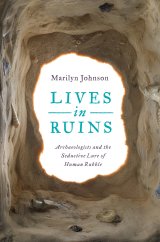
Our good friend, author Marilyn Johnson, has written a wonderful book about archaeologists, including our own Bill Sandy, who work tirelessly to preserve the secrets left behind by past civilizations.
The opening paragraph of Lives in Ruins states 'No DINOSAURS appear in these pages. If you are looking for scientists who study dinosaurs, you want to pick up a book about paleontologists. This book is about archaeologists, people who study people and the things that they leave behind-their bones, their trash, and their ruins.'
Marilyn has been a staunch supporter of our efforts to preserve the Fishkill Supply Depot. She has attended and promoted the majority of our events and for that we are very grateful. View a special descriptive video of Lives in Ruins where she describes in her own words the content of her work. Order the book by following the link Marilyn Johnson on Amazon.
Just added
Buy FOFSD gear! EmbroidMe.com offers durable clothing at a reasonable cost. Embroidered or printed, custom apparel make terrific gifts for friends and family during this holiday season. Get your gear today and support the FOFSD at the same time. It's a win-win!
In The News
- National Park Service Awards FOFSD 24K Battlefield Preservation Grant
"The American Battlefield Protection Program supports projects that safeguard, preserve and tell the stories of America's battlefields," said National Park Service Director Jonathan B. Jarvis. "These places are symbols of individual sacrifice and national heritage that we must protect to help this and future generations understand the struggles that shaped and define us as a nation." Click to read the full National Park Service press release here. (PDF 499KB) - Our group hosted an educational program on Sunday, September 14, 2014 at the Hyatt House Fishkill. This year's theme was "Traitors & Spies: An American Revolutionary War Experience." Guest speakers included; Stephen Cass who discussed his book, "Treacherous Beauty: Peggy Shippen, The Woman Behind the Betrayl of Benedict Arnold," Damien Cregeau (FOFSD Eduaction Liasion) presented Major Benjamin Tallmadge and the Culper Ring and Rachel Smith on the Mission and Legacy of Nathan Hale." Other speakers included Col. Jim Johnson of the 5th NY Regiment and FOFSD President Lance Ashworth. Special thanks to the over 60 people who attended and made our first educational program a big success. Huzzah!
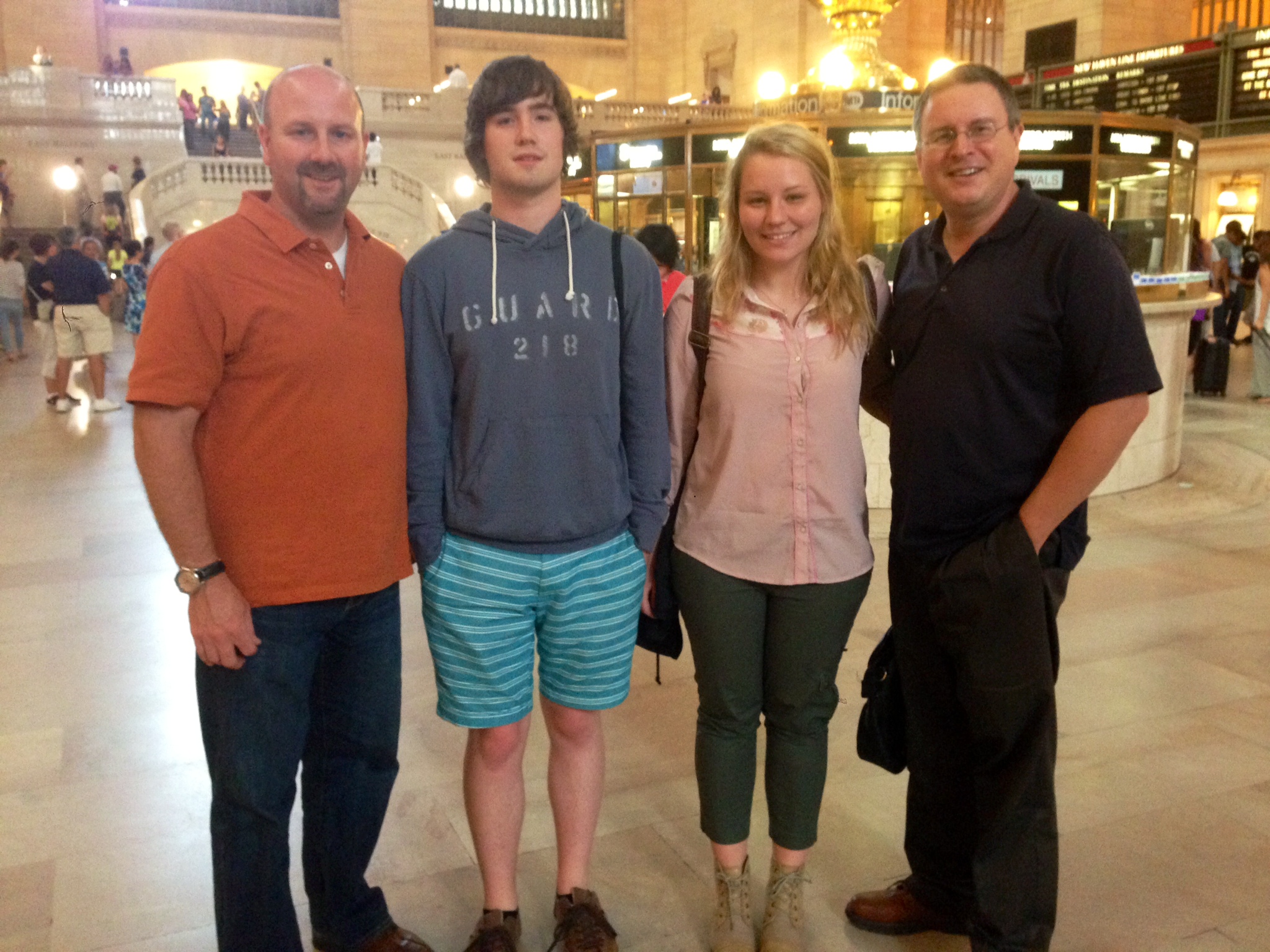
- On Wednesday, August 6, 2014, Professor Todd G. Wilmot, Dutchess Community College (DCC), led a group of researchers to the New York Public Library where the group reviewed primary source documents relating to the Fishkill Supply Depot. The group reviewed journals maintained by Revolutionary War soldiers as well as official Continental Army records relating to Fishkill. Pictured from left to right are: Lance Ashworth (FOFSD President), Aaron Simonson (DCC student), Kelly Emery Hambel (SUNY-New Paltz student) and Todd G. Wilmot (DCC Professor of History). Funding for the trip to NYC was made possible through a Go! grant issued by MANY (Museum Association of New York) and obtained by our partner, the Fishkill Historical Society.
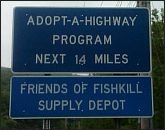
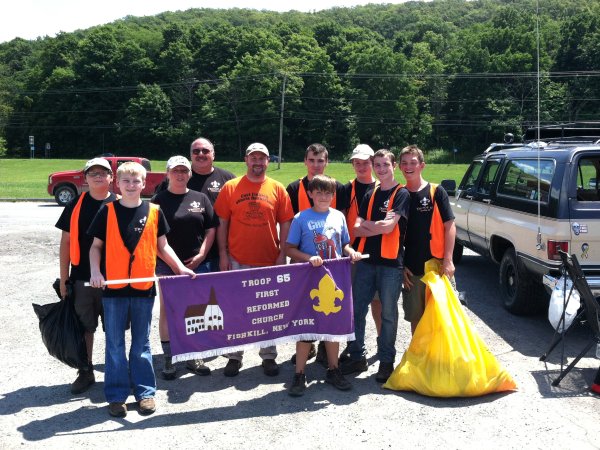
- With the strong support of Boy Scout Troop 65 (Fishkill, NY), Dutchess County Legislator Alison MacAvery (representing District 16, Fishkill and Beacon), and multiple volunteers, the Friends of the Fishkill Supply Depot held its second Adopt-a-Highway clean-up of U.S. 9 on Saturday, July 12. Covering a 1.4 mile stretch of the historic Albany Post Road, volunteers filled multiple bags of trash with items ranging from bottles and cans to tire treads to mulitple broken car parts. The clean-up concluded with a hot dog cookout sponsored by Troop 65. Special thanks to all the volunteers for making our clean-up effort a big success. Huzzah!
- The inaugural issue of the "Supply Depot Intelligencer" (the Official Newsletter of the Friends of the Fishkill Supply Depot) is here! Download our very first newletter and stay current on our latest news & upcoming events.
85th Soldier Identified
May 25, 2014 -Our research team, lead by Secretary Judy Wolf has identified Captain Zachariah Beal as another soldier who died at Fishkill raising our grand total to 85 patriots. Captain Beal of the 3rd New Hampshire regiment was killed during a mutiny attempt on 7 Nov 1777. Read the full story Mutiny at Fishkill here. Captain Beal left behind a wife and two children. May he rest in peace.
In the news: Private John Thomas of the 6th Maryland regiment has been verified and added to our primary list of soldiers who "died at Fishkill." Also, new information has come to light on Private Jesse Dillion, he may have survived. In lieu of this, Pvt. Dillion has been removed from our primary list and added to "other notables." Records kept during the Revolutionary War sometimes have conflicting reports. The FOFSD is committed to the integrity of our tribute page and when questions arise we go back to the starting point to ensure our information is correct. Stay tuned as we unravel the mysteries of the heroes of the Revolutionary War and the Fishkill Supply Depot.
America Spirit Magazine
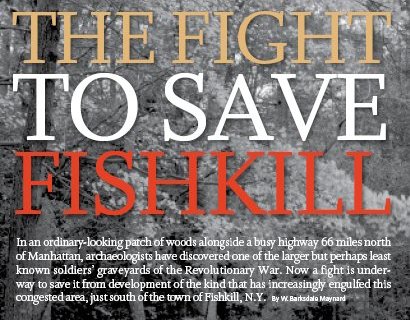
Kudos to the National Society Daughters of the American Revolution (NSDAR) for featuring the Fishkill Supply Depot in their May/June issue of American Spirit.
The Friends of the Fishkill Supply Depot want to express our deepest thanks for bringing attention to our struggle and in honoring the men of the supply depot who made the ultimate sacrifice by giving their lives at Fishkill. Published by Hammock Inc., American Spirit is the award-winning magazine of NSDAR available at newsstands today but we highly recommend you subscribe. The cost is only 18 dollars per year! To purchase American Spirit by mail, contact magazinesubscriptions@dar.org. For questions or to place your order by phone, call 1-866-327-6242 and tell them you're a friend of the Fishkill Supply Depot!
Special thanks go out to Jamie Roberts. Your guidance made this wonderful article a reality. Huzzah!
|
The Timepiece Enjoy this special poem written about the soldiers' burial ground and the legacy of the historic Fishkill Supply Depot. It was early in the morning |
|
